
Learning to Stay Awake Through the 3rd Act
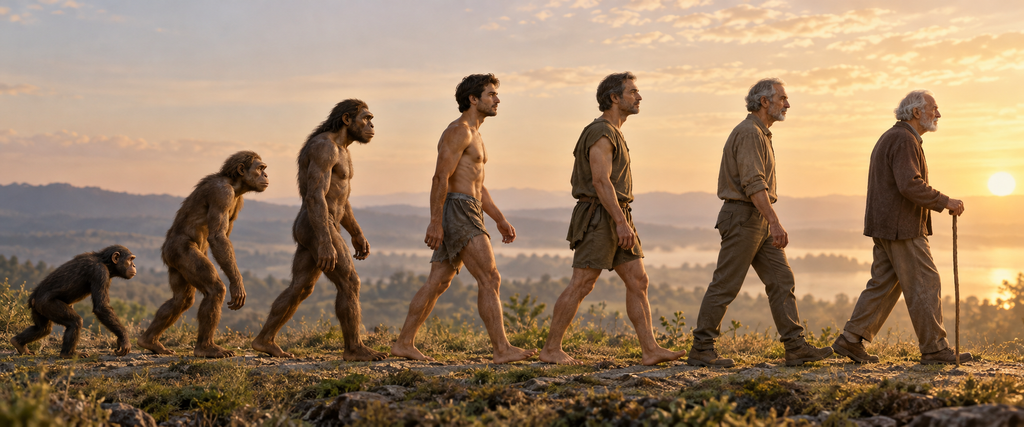
Whether we realize it or not, we are all aging. It is happening even as we speak. And yet I find myself struggling to remain cognizant of that—to identify myself as an older person, or more unsettling, as someone approaching the end of their life.
We die, and don’t know when or how. If life were a casino, it would garner any number of regulatory violations. This is a raw deal any way you look at it. Which leaves us the only way to look at it. Facing it.
My experience of aging hasn’t been a gradual process. It was more like looking in the mirror one day and thinking, My God—is this my face now?
It took some time to get used to that. There can be a lag between realization and assimilation. I think that’s true of many things, but certainly of the aging process. We catch glimpses of it, and they can be startling. But then we push them aside and insist, I’m still a superhero. Stand back!
Realization without assimilation means we are still learning the same lessons again and again. Nothing will change until we sink past the superficial and get to the bone. I’m going to die. And that’s not the bad news. Before we’re swept away into the final urn, we will suffer any number of indignities. I’ve heard it said, “there is nothing dignified about dying.” But, maybe we will no longer care. And maybe I can begin the process of letting go right now so that I might begin to make friends with all of this.
Making friends with death. And all the little creaks and groans leading up to it. If I’m to live a mindful life, I have to pay attention to what is happening in my mind, body and life right now.
Of course, many things pull us out of the present and into dark closets of unresolved fear. There is fear of whatever will happen at the final curtain. Fear of “what dreams may come,” as Shakespeare put it. And there is the pull of regret: the pain of things diminishing, of things we might have done, of memories that can sometimes feel torturous.
For many people, building memories is an important part of their life. I have never quite felt that way myself. Living life merely so I can remember it has always struck me as a little like sitting in a hospital bed watching reruns waiting for the end.
That is not how I want my ending to be.
And make no mistake: for me, this is the end. The last act. I am entering the final period of my life. I feel deeply fortunate to have arrived here—and deeply fortunate to have the Dharma to help me meet and process this experience.
Unfortunately, that doesn’t keep me from bitching about it.
Aging, sickness, and death are part of the experience of being human. I am not alone in this, no matter how shunted, pushed aside, or unseen by society I may sometimes feel. All of us will go through this.
Each of us will either age out or meet a premature sudden end. If I were given the choice, I would choose to age out slowly—and to make of it a long, gradual process of connecting with this profound stage of my life.
Strangely, I hope to not go in my sleep. Have you ever fallen asleep at the end of a movie? I hate that. No, I think it would be best to be aware of the process to the best of my ability. But that’s me.
Perhaps this is about something larger than my own life. It is about the lives of all beings. All life as we understand it—even the life we imagine in distant reaches of space—appears to be temporary. There are stars that explode and stars that slowly diminish into cold darkness. The movement toward death is written into the very nature of life.
In a talk he gave in New York City, Dzigar Kongtrul Rinpoche asked his audience, “How many of you have truly realized that you are going to die someday?” A number of people raised their hands.
Then he asked, “How many of you understand that you are dying right now?”
From the moment we are born, the process of ending is already programmed into our being. And yet we forget. We become lost in the idea that we might still become all the things we imagine ourselves to be, while rarely coming into contact with who we actually are.
Waking in the morning and feeling aches I have never felt before sucks, yes, but it can be an opportunity to see what is happening, as it happens. The pain of again is also an invitation become loving, kind, and patient with my body, perhaps for the first time in my life.
Many of the aches and pains coming to fruition now began as injuries sustained through mindlessness and self-aggression—working out too hard, pushing myself too far.
When I walk down the block and feel the pain in my legs, I panic and then remember this is the time to be with myself. Now is when I need me. And I find with that mindful connection I can adjust my body, sometimes slightly and release the tension.
That sounds small. Certainly smaller than my life used to be when I was too busy to knmow my life. But I find it very profound to have a conversation with my body. Not my body in pain, not the body that was, but my body now. By treating the small pains with kindness may be a step toward being here with myself, trying to stay awake through the final act.
80, aged, aware…surprise! still have body, speach and mind to practice..love and openess still present, still not dead, as far as I know, which leads me to keep practicing……lol